

Oral Motor Therapy: What It Is and When to Seek Help
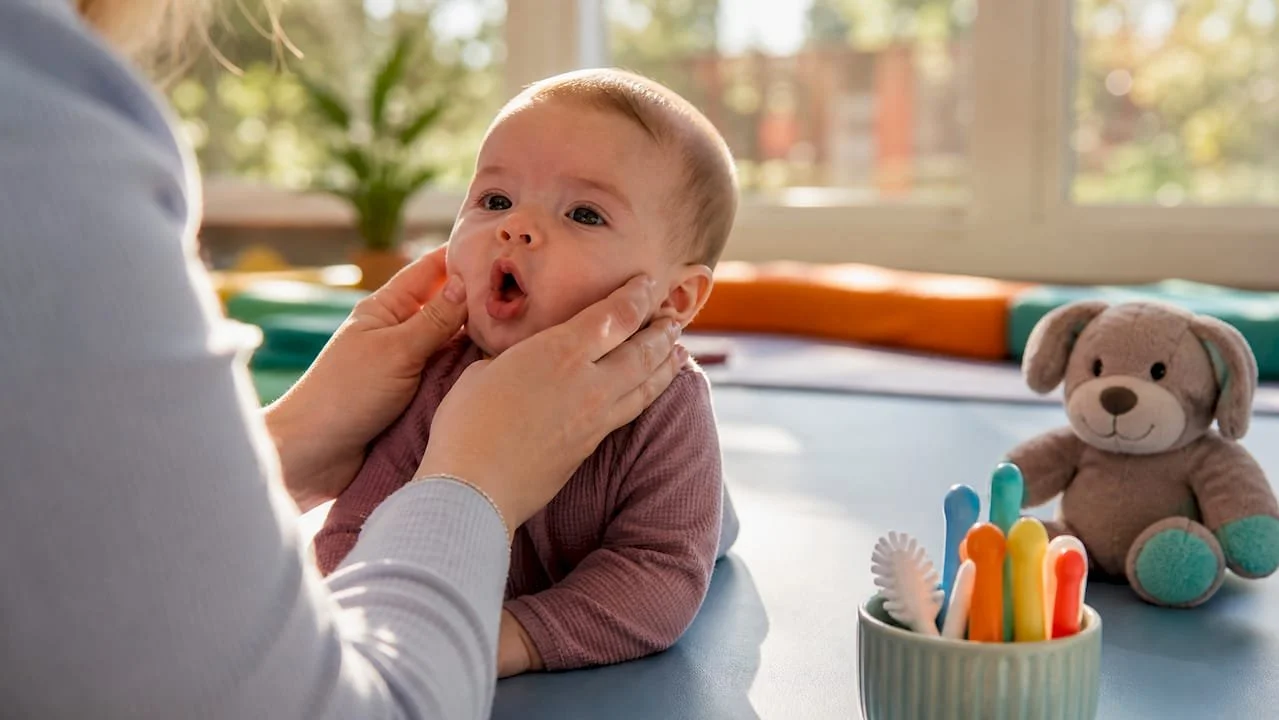
Oral motor therapy is therapist-guided work on your child's lips, tongue, jaw, and cheeks that build the strength and coordination needed for clear speech, safe chewing, and swallowing. If your child has persistently unclear speech, coughs or gags often during meals, or rests with their mouth open and tongue low, it's time to talk to a professional. Both the American Speech-Language-Hearing Association and Cleveland Clinic recognize this work as a legitimate, evidence-informed part of pediatric care, and teams like Thrivingjoy see these patterns in young children every week.
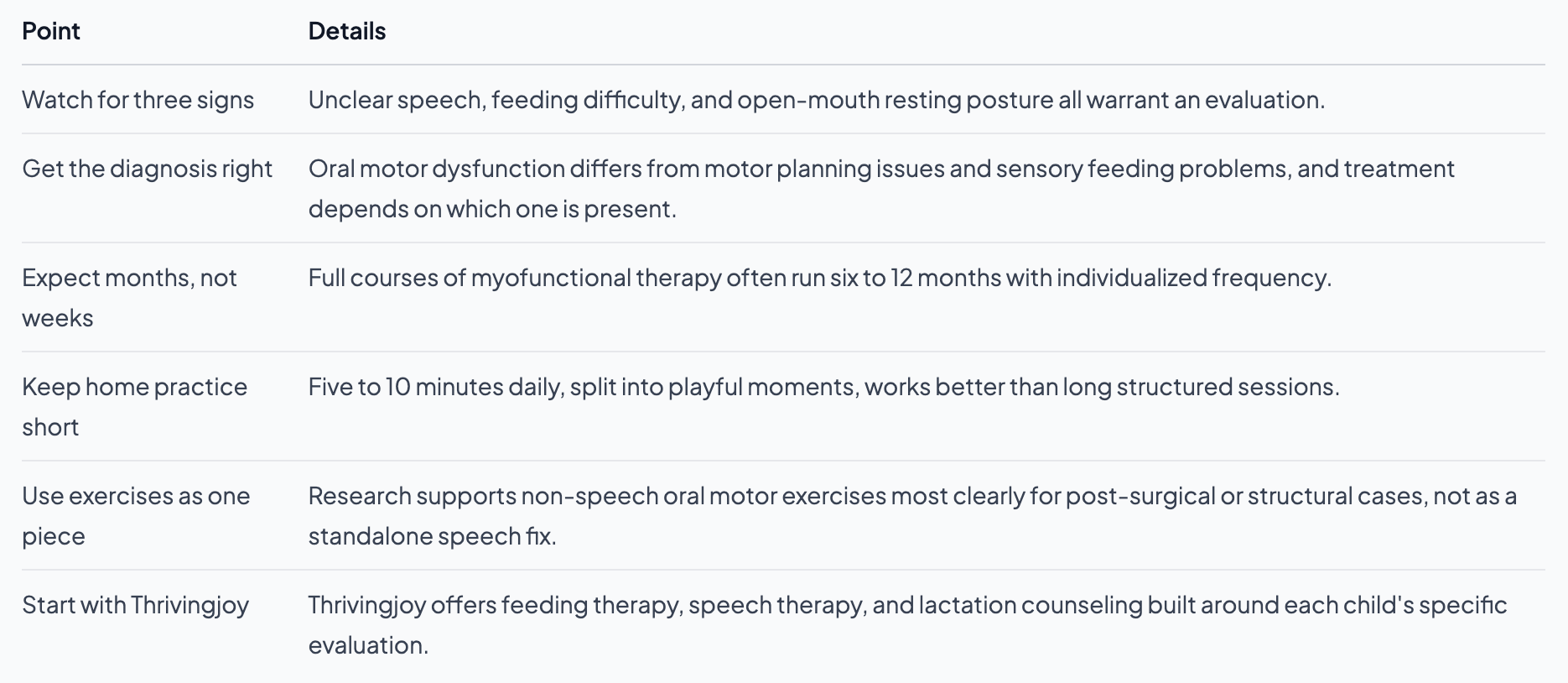
Three signs deserve prompt attention:
Speech that stays hard to understand well past the age when peers are clear
Feeding difficulties like frequent choking, gagging, or refusing entire food textures
A consistently open-mouth resting posture with visible drooling beyond toddlerhood
Quick fact: one survey found 68% of speech clinicians use oral motor exercises as a warm-up before speech tasks, showing how common this approach is in real practice, even as researchers keep studying exactly how much it changes speech outcomes on its own.
Key Takeaways
Oral motor therapy builds the strength and coordination behind speech and safe eating, but works best as part of an individualized plan rather than a standalone fix.
This article is general information, not a substitute for advice from a qualified doctor. Consult a qualified healthcare professional about your own circumstances before acting on anything here.
Table of Contents
What Is Oral Motor Dysfunction, Exactly?
Oral motor dysfunction (sometimes called an orofacial myofunctional disorder) describes weak, uncoordinated, or poorly patterned movement of the lips, tongue, jaw, and cheeks. These muscles work together for three jobs: chewing and swallowing food safely, forming clear speech sounds, and resting in a stable, healthy posture between meals and words.
Oral motor skills develop gradually. Infants root and suck, toddlers graduate to cup drinking and chewing table food, and by preschool most kids have the strength and control for age-appropriate speech sounds.
Oral motor dysfunction isn't the same as every speech or feeding struggle, though:
Motor planning issues (like childhood apraxia of speech) involve the brain struggling to sequence movements, even when the muscles themselves are strong.
Sensory feeding issues stem from how a child perceives textures, tastes, or mouth sensations, not muscle weakness.
Getting the distinction right changes the entire treatment plan, which is why an accurate diagnosis matters more than a quick label.
What Causes Oral Motor Problems in Children?
Several distinct paths can lead to the same signs. Structural issues like tongue-tie or cleft palate physically limit how the tongue and lips move. Neurological conditions, prematurity, and extended time on a feeding tube or G-tube can all delay the typical practice a mouth needs to build strength and coordination.

Habitual patterns matter too. A tongue thrust or chronic open-mouth breathing pattern can persist long after any original cause resolves, reinforcing weak muscle tone through repetition.
Because causes vary so widely, the right referral depends on what's driving the pattern:
A pediatrician for general screening and referrals
An ENT for airway, tongue-tie, or structural concerns
A pediatric dentist for jaw growth and bite-related questions
Checklist: Signs Parents Should Track Before an Evaluation
Bring specifics to your first appointment. A clinician can act faster when you've already noticed patterns rather than a vague "something feels off."
Speech red flags: sound errors beyond what's typical for your child's age, or speech that strangers struggle to understand.
Feeding red flags: coughing or gagging during meals, avoiding entire food categories (like all meats or all fruits), or meals that stretch well past 30 minutes.
Posture red flags: a mouth that hangs open at rest, a tongue that sits low and forward, or drooling that continues well past the toddler years.
Write down when each sign shows up and how often. That detail alone often shortens the path to a working diagnosis.
Who Evaluates Oral Motor Skills and How?
A thorough evaluation blends conversation, observation, and hands-on assessment. Clinicians typically start with a feeding and developmental history, then watch your child eat and talk in as natural a setting as possible. From there, they examine oral structures directly, checking tongue mobility, jaw alignment, and lip strength, sometimes alongside standardized measures.
Speech-language pathologists (SLPs) lead most of this work, often alongside pediatric occupational therapists, myofunctional therapists, and, when structural concerns arise, an ENT or dentist. Children's National describes exactly this kind of team-based approach for children showing signs of oromotor dysfunction.
Ask what specific muscles or patterns the evaluation targets
Ask how progress will be measured and how often you'll get updates
Ask whether goals will be documented in writing
Pro Tip: Request a copy of the written evaluation summary, even if it's brief. It becomes your reference point for every progress conversation that follows.
You can read more about what happens during a speech-language evaluation to know what to expect walking in.
What Does Oral Motor Therapy Actually Involve?
Therapy targets four things: muscle strength, coordination, resting posture, and carrying new skills into real speech and mealtimes. None of that happens through isolated drills, especially for babies and toddlers who can't follow "do this, then this" instructions the way an older child or adult could.
Instead, sessions build skills into play. A child might work on lip closure by blowing bubbles or a pinwheel, build tongue lateralization by managing a chewy food safely, or practice straw sipping to strengthen cheek and lip coordination. Vibration tools sometimes provide sensory input that helps a child feel where their tongue or jaw is positioned, which many kids struggle to sense on their own.
Cleveland Clinic notes that a full course of myofunctional therapy often runs six to 12 months, with sessions typically weekly or biweekly depending on severity and age. Every plan gets individualized. A toddler recovering from tongue-tie release needs a different pace and activity set than a school-age child working on a persistent tongue thrust.
Strength-building activities (chewing progressions, resistance-based tongue exercises)
Coordination work (straw sipping, whistle or bubble blowing)
Sensory input tools (vibration, textured utensils) used under clinician guidance
Carryover practice that links new mouth skills to actual words and meals
Safe, Therapist-Backed Activities to Try at Home
Home practice works best in short, playful bursts, not long structured sessions. Five to 10 minutes total per day, split into two or three tiny moments, beats one long sitting your child dreads.
Mirror games: have your child watch themselves make faces, blow kisses, or stick out their tongue side to side. Visual feedback helps young kids notice movements they otherwise can't feel.
Bubble blowing: builds lip rounding and breath control in a format most toddlers already love.
Straw sipping: start with thin liquids in a short, wide straw, then progress to thicker liquids as strength improves.
Chewy food hierarchy: move from soft chewables to firmer textures only as your child's clinician approves, never skipping ahead based on age alone.
Keep hygiene simple: wash any tool (a chewy tube, a vibration device, a straw cup) after every single use, and replace worn items rather than pushing them past their lifespan.
Watch for stop signs that mean it's time to call your therapist rather than push through: new coughing during practice, visible frustration or crying that derails the activity, or any sign your child is gagging on a texture that used to feel fine.
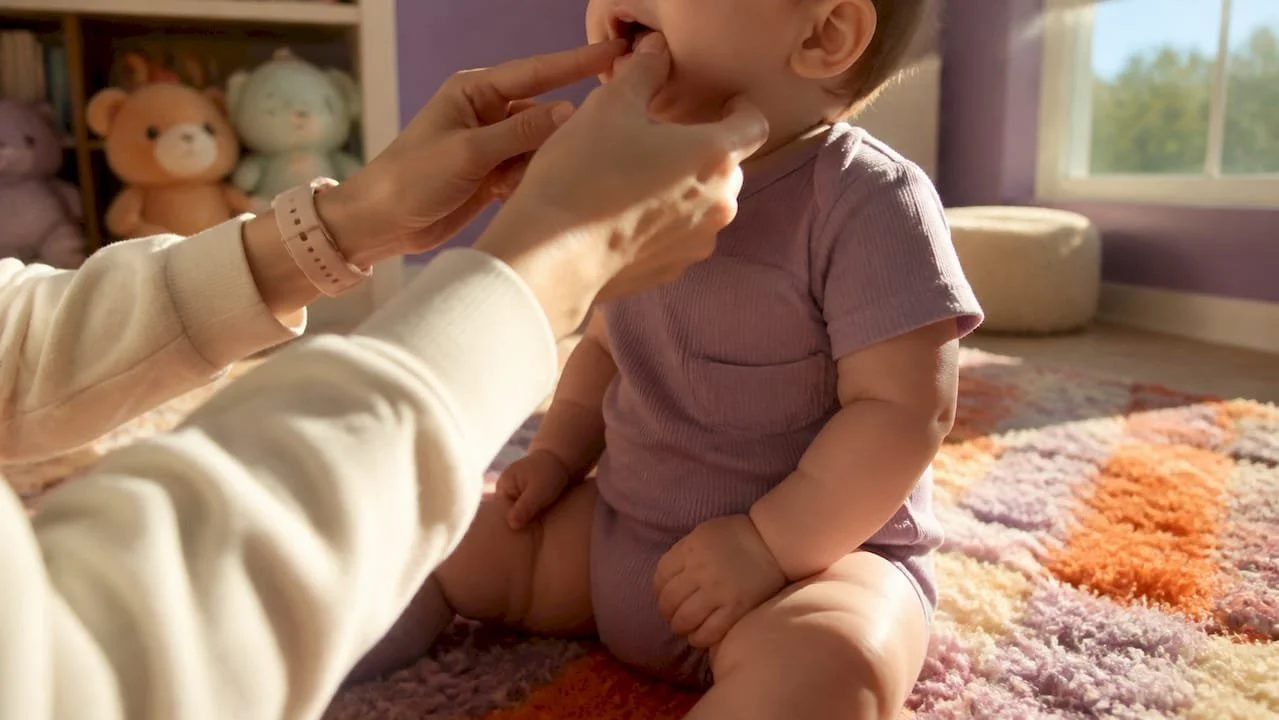
Pro Tip: Attach practice to something you already do, like brushing teeth or waiting for bath water to warm up. Kids build oral motor skills faster when the activity feels like part of the day, not an extra task on top of it.
For more ideas by age and stage, fun speech therapy activities for toddlers breaks down options you can rotate through the week.
Does Research Actually Support Oral Motor Exercises?
Non-speech oral motor treatments (NSOMTs), meaning exercises that don't involve actual speech sounds, are common in clinical practice but carry a more limited evidence base than many parents assume. ASHA defines NSOMTs as activities targeting the lips, jaw, tongue, and related muscles to influence the physical mechanisms behind speech and feeding, distinct from practicing speech sounds directly.
Systematic-review protocols examining NSOMTs, including the Cochrane review process, consistently find the exercises are widely used in practice, yet high-quality evidence that they improve speech-sound production on their own remains limited.
Apraxia-Kids summarizesthat most rigorous research shows limited transfer from non-speech mouth exercises to actual speech improvement, which is why speech-specific practice remains the backbone of most treatment plans. The clearer evidence of benefit shows up in specific groups:
Children recovering from jaw surgery or tongue-tie release
Kids with structural anomalies affecting oral muscles directly
Cases with clear, diagnosed sensorimotor impairment
The practical takeaway: oral motor exercises work best as one piece of an individualized plan a clinician builds around your child, not a standalone fix.
What Happens After Diagnosis, and How Do You Pay for It?
Expect written progress notes at regular intervals, tracking specific muscle and skill changes rather than vague "doing better" language. Before your first visit, call your insurance provider to verify feeding and speech therapy benefits; many plans cover it, and some clinics also offer private-pay or scholarship options.
When choosing a clinician, look for:
Pediatric feeding or speech credentials specifically, not general practice only
Direct experience coaching families, not just working one-on-one with the child
A clear, written plan with measurable goals from the first visit
Jamie's Perspective: Making Therapy Fit Real Family Life
The biggest gap I see is between plans built on isolated drills and plans built into a family's actual routine. At Thrivingjoy, the goal is always root-cause first: figure out what's really driving the pattern, then fold practice into meals and play a child already does. Parents leave coaching sessions with specific, doable habits, not a worksheet they'll never use.
— Jamie
Ready to Get Answers for Your Child?
If you've read this far because something about your child's speech or mealtimes feels off, Thrivingjoy gives you a faster, more personal path than searching through generic exercise lists online. Unlike a self-guided routine you piece together from articles, Thrivingjoy pairs your family with a clinician who builds a plan around your child's specific oral motor pattern from day one, with feeding therapy, speech therapy, and lactation counseling all under one roof.
A first appointment starts with the same history-and-observation process described earlier in this guide: watching your child eat or talk, checking oral structure, and setting concrete goals together. If feeding concerns are front and center, visit the feeding therapy services page to see what a first evaluation covers. If speech clarity is the bigger worry, the speech therapy for toddlers page walks through next steps. Either way, book an evaluation and bring the checklist from this guide. It gives your clinician a running start.