


Pediatric Feeding Therapy in Lutz & Wesley Chapel
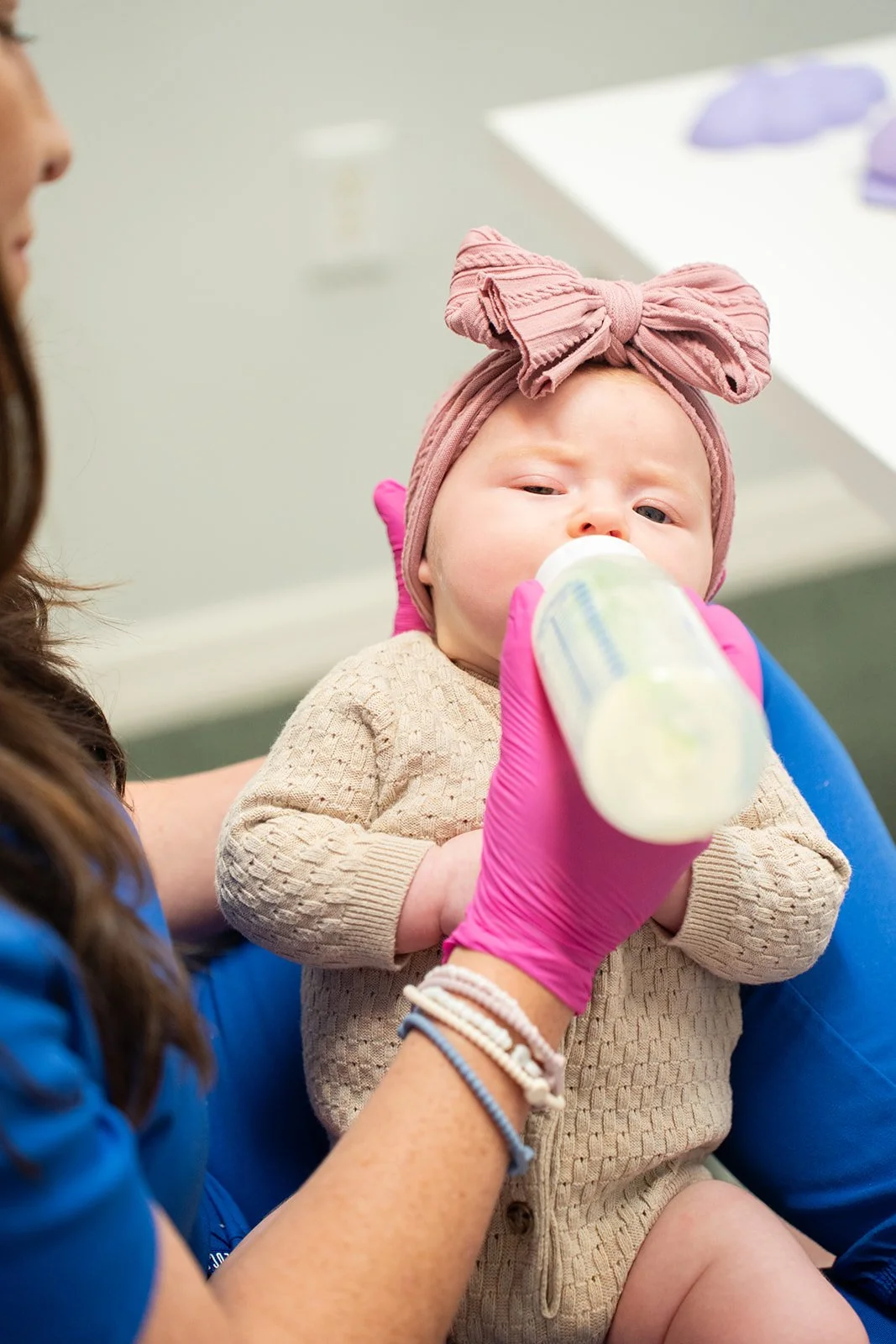
Understanding Feeding Therapy in Lutz + Wesley Chapel for Infants and Toddlers
Feeding is one of the first and most important skills a child develops, but for some families, it doesn’t unfold as easily as expected. At Thriving Joy Pediatric Therapy in Lutz and Wesley Chapel, we understand how overwhelming it can be when feeding becomes a source of stress instead of connection.
Whether you're concerned about your baby's latch at breast, bottle refusal, challenges with starting solids, or issues that may need tongue tie assessment, we’re here to guide you with knowledge, compassion, and effective care.
We specialize in feeding therapy in Lutz and Wesley Chapel for infants and toddlers, focusing on the critical attachment years from birth to five. Our approach is centered around building trust with both children and their families. Therapy should never feel cold or clinical—it should feel like someone meeting you where you are, helping you navigate what's next.
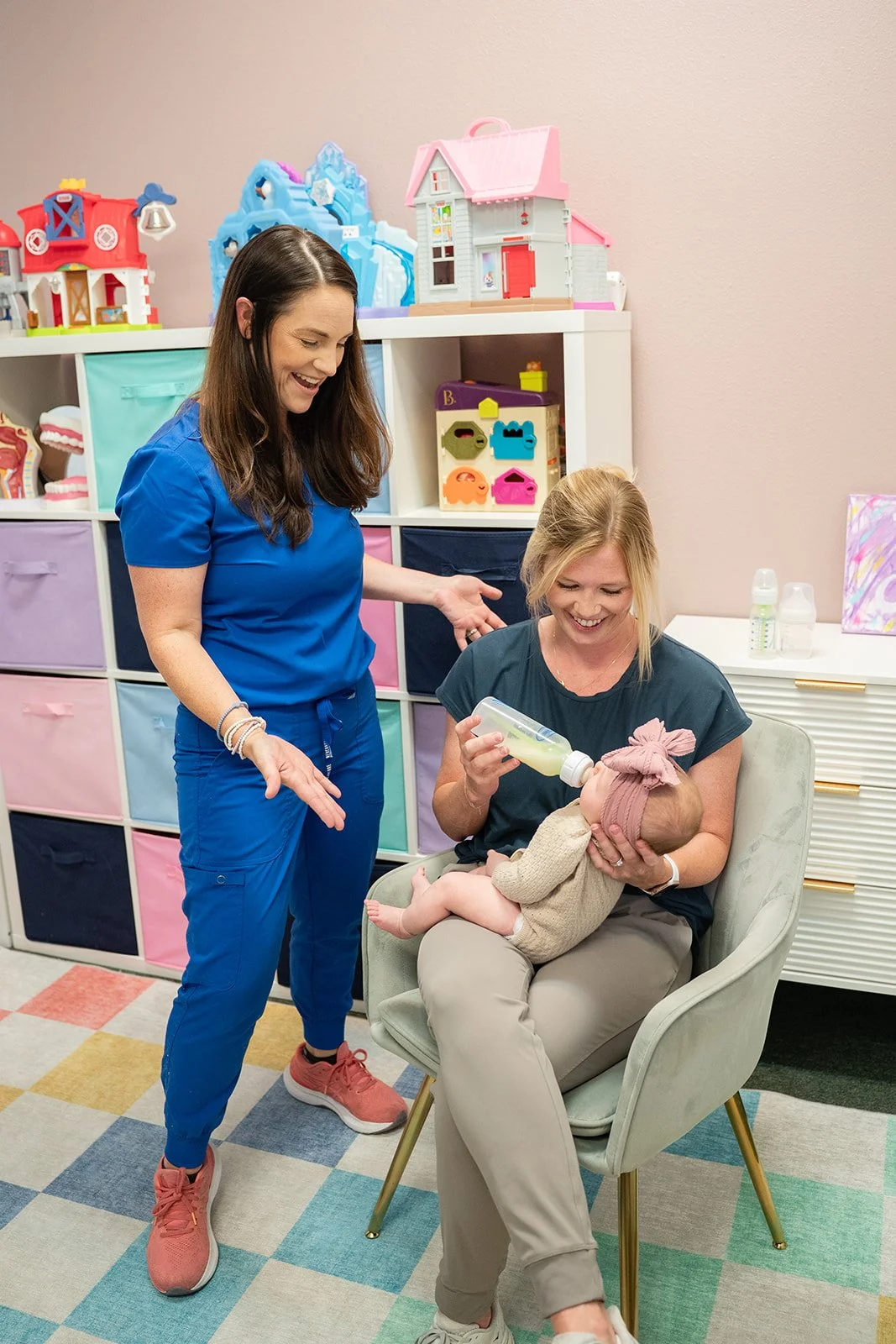
Who We Help
Every child’s feeding journey is different, and our team has extensive experience supporting infants and toddlers with a wide range of medical and developmental needs. We work closely with families facing:
Feeding difficulties with breast, bottle, or tube
Delays in transitioning to solid foods
Challenges related to craniofacial differences or genetic conditions
Concerns related to tongue and lip ties
Prematurity and NICU-related feeding concerns
Gastrointestinal, respiratory, or cardiac health issues
Picky eating that limits food variety or growth
Neurological differences that impact oral coordination
We also provide support for children with tracheostomies or gastrostomy tubes who are working toward oral feeding goals. Our sessions take into account your child’s specific medical background, strengths, and developmental stage to create an individual plan that works for your family.
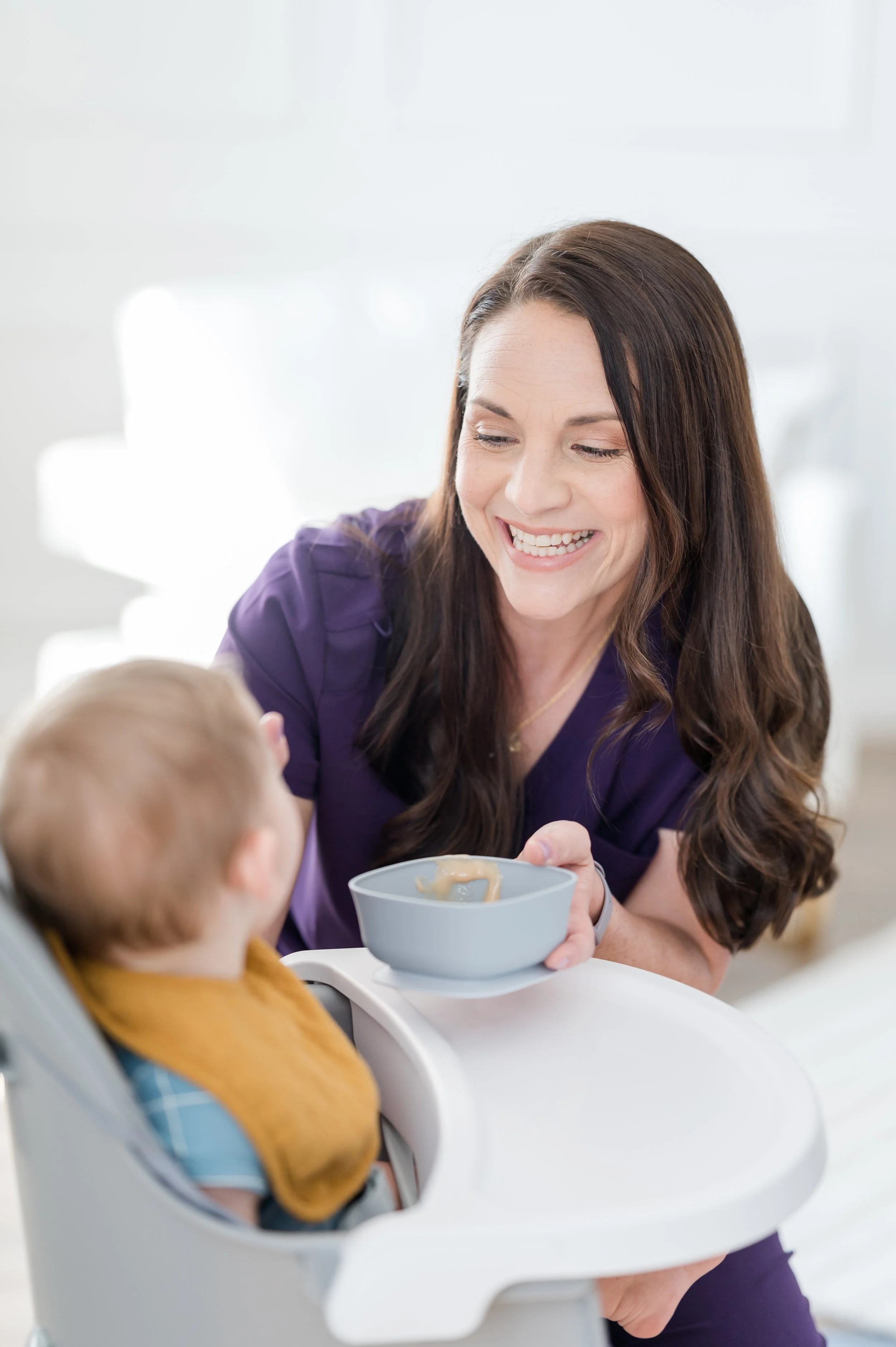
What Our Feeding Therapy Services Include
Feeding therapy is not one-size-fits-all. At Thriving Joy Pediatric Therapy, we tailor each session based on your child’s needs. Therapy may include support for:
Pre- and post-tongue tie therapy to improve latch and feeding
Helping infants who are refusing bottles find comfort and success
Offering guidance on starting solids safely and confidently
Addressing oral motor skills that impact sucking, chewing and swallowing
Supporting picky eaters with activities to increase food acceptance
Each session includes practical, real-world strategies you can use at home without adding pressure to your day. For example, if a toddler refuses most vegetables, we might introduce playful exposure without requiring them to eat—like exploring texture through cooking activities or pretend play.
We keep things simple, realistic, and based on what works for each family. Progress happens over time, and we’ll help you spot the small wins along the way. Sessions are collaborative and flexible—adjusted to match your routine and your child’s readiness. Parents are encouraged to be involved so they feel confident carrying strategies into daily life.

Feeding Therapy That Grows With Your Child
Feeding milestones don’t follow a strict timeline, and that’s okay. Some children need more time, support, or tools to get there. We’re here to meet you right where your child is and guide their progress forward—gently and strategically. With experience in both typical and complex feeding needs, we understand how varied feeding therapy can look from one family to the next.
Some infants may struggle with achieving a strong latch or efficient bottle feeding because of oral restrictions like tongue ties. Others may refuse the bottle altogether, showing signs of stress or resistance during feeding times. We work calmly and carefully to guide families through those early concerns. Bottle refusal is more common than many realize, and getting to the root of it involves both observation and patience—not pressure.
When toddlers aren’t expanding their food range, parents often worry about nutritional variety or mealtime battles. If your child only eats a few familiar foods or refuses anything new, feeding therapy can help break those patterns. We introduce foods gradually with positive exposure and creative, low-pressure activities that feel more like play.
Our therapy includes:
Pre- and post-tongue tie therapy to support mobility and function
Bottle feeding techniques tailored to preferences and sensory needs
Structured solid food transitions with close guidance
Oral-motor development strategies to support chewing and swallowing
Steps for slowly increasing food acceptance without using force or bribery
Everything we do centers around safety, comfort, and consistency. That includes working closely with your pediatrician or medical specialist when your child has more complex needs—like a feeding tube or health condition affecting oral intake. We gather input, adjust goals, and move at a pace that feels right for your child’s development.

What to Expect During Sessions
At Thriving Joy Pediatric Therapy, feeding sessions are purposeful, but never rushed. We begin with a thorough evaluation to understand where your child is now, what’s working well, and what’s creating frustration or delay. From there, a personalized care plan is created.
Sessions are hands-on, engaging, and respectful of your child’s cues. We use play-based techniques to keep children comfortable and help them build trust—not just with food, but with the process itself. Along the way, we’ll show you how to bring therapy home without adding more to your plate.
Parents often say one of the best parts is learning that they’re not alone. Feeding challenges can be emotional and exhausting, and we’re here with honest support—no judgment, just real help.
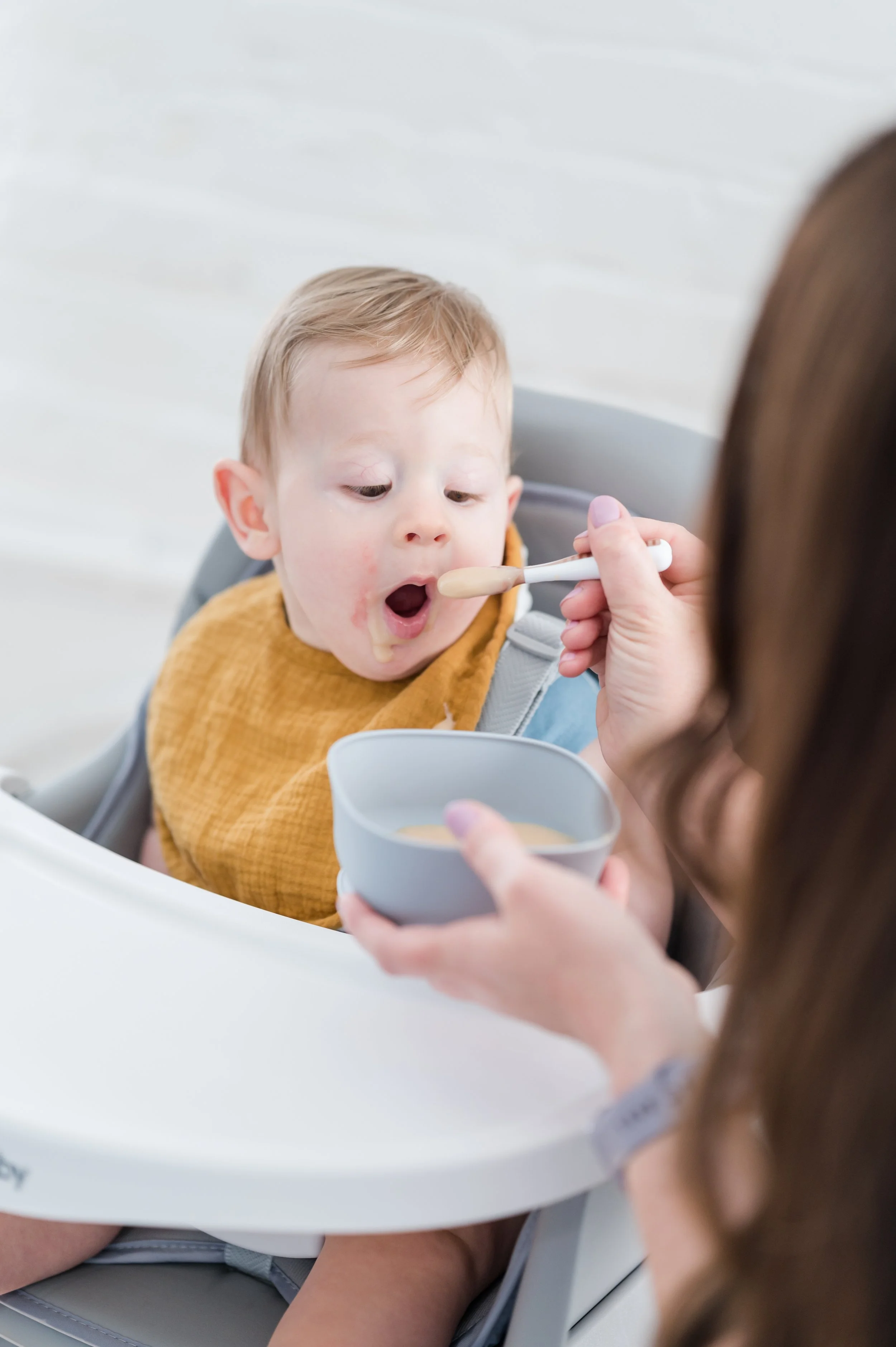
Feeding Therapy in Lutz or Wesley Chapel: Get Started Today
If you’re looking for feeding therapy in Lutz or Wesley Chapel for infants and toddlers, you’ve come to the right place. Whether you’re working through bottle refusal, tongue tie recovery, or starting solids with confidence, we’re ready to help in a way that fits your family. Our sessions are designed to be both nurturing and practical, with direct therapist involvement and clear goals.
Early support can make this phase feel more manageable and less isolating. If something doesn’t feel right with your child’s feeding—trust your instincts. Let us help you find answers, set achievable goals, and get things moving in a better direction.
Don't wait—early action can make all the difference. Get expert guidance and compassionate care tailored to your child’s needs. Reach out today and start your journey with feeding therapy in Lutz for infants and toddlers. Your child deserves lasting support, and we’re ready to help you take the first step—now.
Frequently Asked Questions About Feeding Therapy in Lutz & Wesley Chapel
-
Pediatric feeding therapy helps infants and toddlers who struggle with eating, drinking, or swallowing build the skills and comfort they need to feed successfully. At Thriving Joy Pediatric Therapy in Lutz and Wesley Chapel, therapy addresses the physical, sensory, and behavioral sides of feeding, from latch and bottle feeding to chewing, swallowing, and accepting new foods.
-
Common signs include refusing the breast or bottle, gagging or choking during meals, eating only a small range of foods, trouble moving to solids, or falling off their growth curve. If mealtimes have become stressful or your child seems to struggle where others do not, an evaluation can tell you whether feeding therapy would help. Trust your instincts, since parents often notice a problem before anyone else does.
-
Feeding therapy can begin at birth. We focus on the critical attachment years from birth to age five, and starting early often makes a real difference. Newborns with latch or bottle difficulties, babies transitioning to solids, and toddlers with limited diets can all benefit from support tailored to their stage.
-
Every plan starts with a thorough evaluation to understand where your child is, what is working, and what is causing frustration. From there, sessions are hands on, play based, and paced to your child's comfort, using real world strategies you can carry into daily meals at home. Parents are encouraged to take part so the progress continues between visits.
-
Yes. Picky eating that limits variety, nutrition, or growth is one of the most common reasons families come to us. We expand a child's food range gradually through positive, low pressure exposure and playful activities, never force or bribery, so mealtimes feel calmer for the whole family.
-
Picky eating usually means a child is selective but still eats enough to grow and get nutrition. A feeding disorder is more limiting and may involve extreme food refusal, difficulty chewing or swallowing, gagging, or an inability to meet nutritional needs. A feeding evaluation can clarify which one you are dealing with and what kind of support fits.
-
Yes. We provide pre and post tongue tie therapy to improve latch and feeding function, and we help babies who are refusing the bottle find comfort and success. Bottle refusal is more common than many parents realize, and getting to the root of it takes careful observation and patience rather than pressure.
-
We have two offices serving Central Pasco and Northern Hillsborough counties: our Lutz office at 18926 North Dale Mabry Highway, Ste 102, Lutz, FL 33548, and our Wesley Chapel office at 29141 Chapel Park Dr, Wesley Chapel, FL 33543. You can reach us at (813) 563-8699 to schedule an evaluation at either location.
Serving Families in Lutz & Wesley Chapel
Serving Central Pasco and Northern Hillsborough
Lutz Office
Address:
18926 North Dale Mabry Highway, Ste 102, Lutz, FL 33548
Wesley Chapel Office
Address:
29141 Chapel Park Dr, Wesley Chapel, FL 33543
“If you cannot feed one hundred people, then feed just one.” ~Mother Teresa
